




Patient Portal
Online Bill Pay
Patient Prep
Imaging Center in Dallas, TX
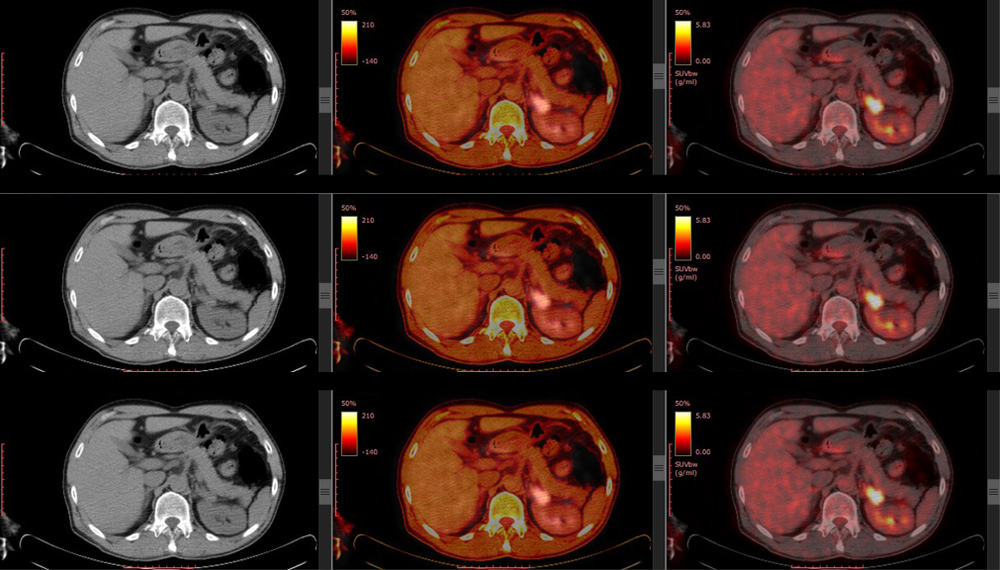
Here at Southwest Diagnostic Center For Molecular Imaging, we have led North Texas in PET/CT imaging since 2003, serving thousands of patients from the Dallas area and across the nation.
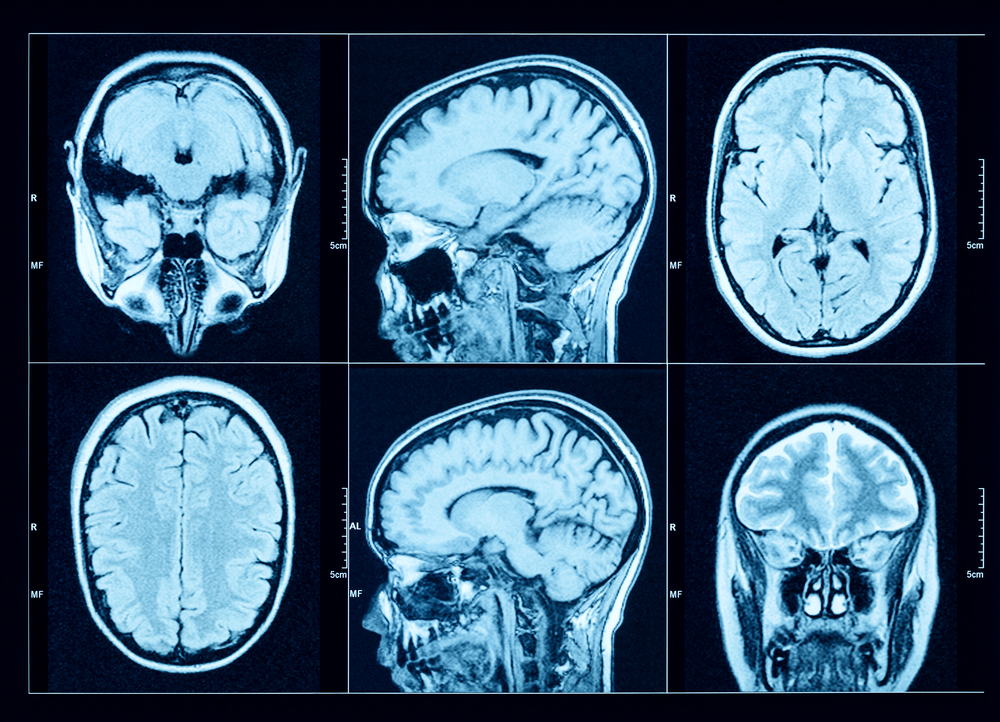
Our Radiology Staff and technical team view the imaging process from the patient’s perspective and are committed to answering questions, providing results quickly and accurately, and easing the patient’s tensions through compassionate care. Our focus is on PET/CT and CT Scans for the ongoing monitoring and proper diagnosis of cancer such as breast cancer screening, skin cancer screening, and other cancers. Our radiologists have specialized training in molecular imaging and oncology.

SWDCMI Exams


What Our Patients Are Saying
News & Events
What's New at SWDCMI

Recognizing the Early Signs of Prostate Cancer
Prostate cancer is one of the most common cancers in men, but when detected early, it is often treatable, with many patients going on to live long, healthy lives. Understanding the early signs of prostate cancer, recognizing the risk factors, and knowing when to seek medical advice are essential steps in improving the chances of successful treatment.
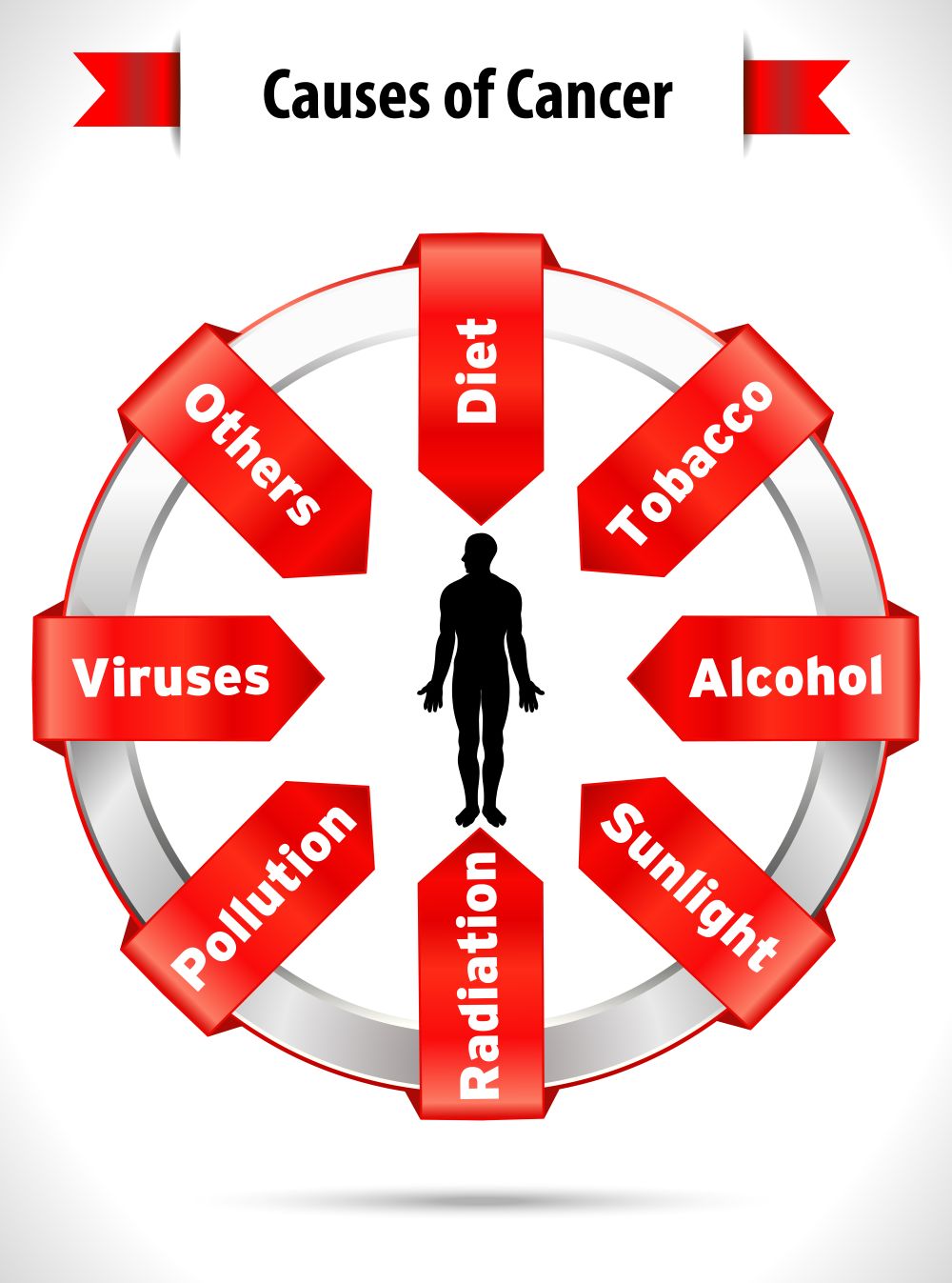
10 Common Causes of Cancer, and Reducing Your Risks
Cancer develops when cells in the body grow and divide uncontrollably, often spreading to surrounding tissues. Cancer can affect nearly every organ system and is one of the leading causes of death worldwide. While not all cancer risks can be eliminated,

Understanding Thyroid Cancer Types and Stages
Thyroid cancer is a condition where cancerous cells grow in the thyroid, a butterfly-shaped gland in the front of the neck. Although thyroid cancer is relatively rare, its rates have been steadily rising in recent years. Early detection often results in a good prognosis,
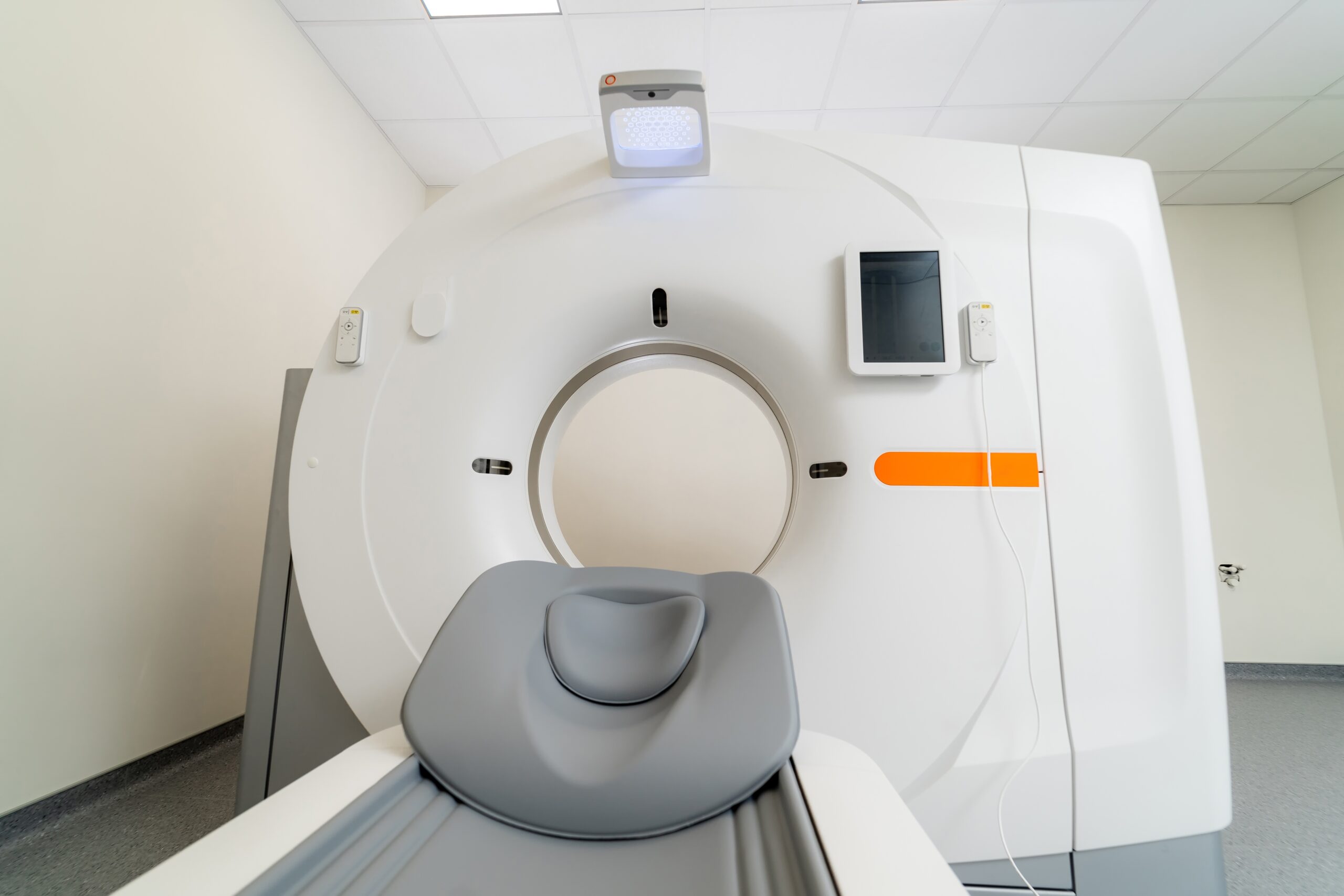
How Is Cancer Detected by CT Scans?
Detecting cancer at an early stage can improve the chances of receiving timely treatment and achieving better outcomes. A CT scan, also called computed tomography or a CAT scan, is an advanced imaging test that provides doctors with detailed, three-dimensional views of the inside of the body.